Clouds of Mayfly: the Magic of the Mayfly Emergence
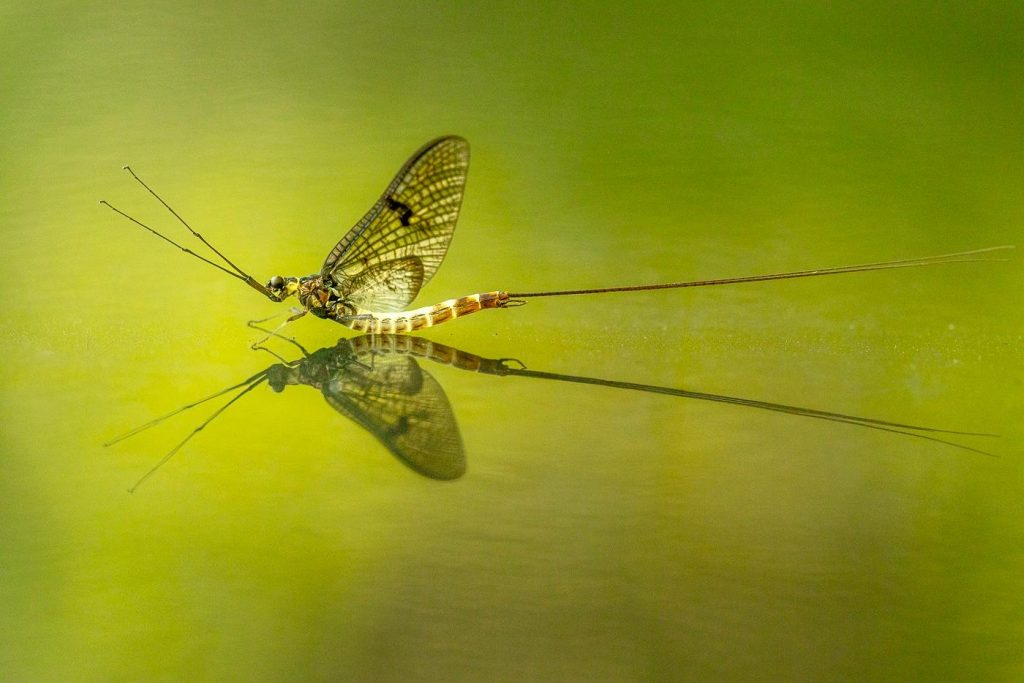
Each year, as spring gives way to early summer, one of nature’s most remarkable spectacles unfolds along the banks of England’s chalk streams. For anglers, naturalists, and anyone fortunate enough to witness it, the mayfly (Ephemera vulgata) emergence is a brief but unforgettable event that transforms this rare habitat into a stage for one of the great dramas of the natural world.
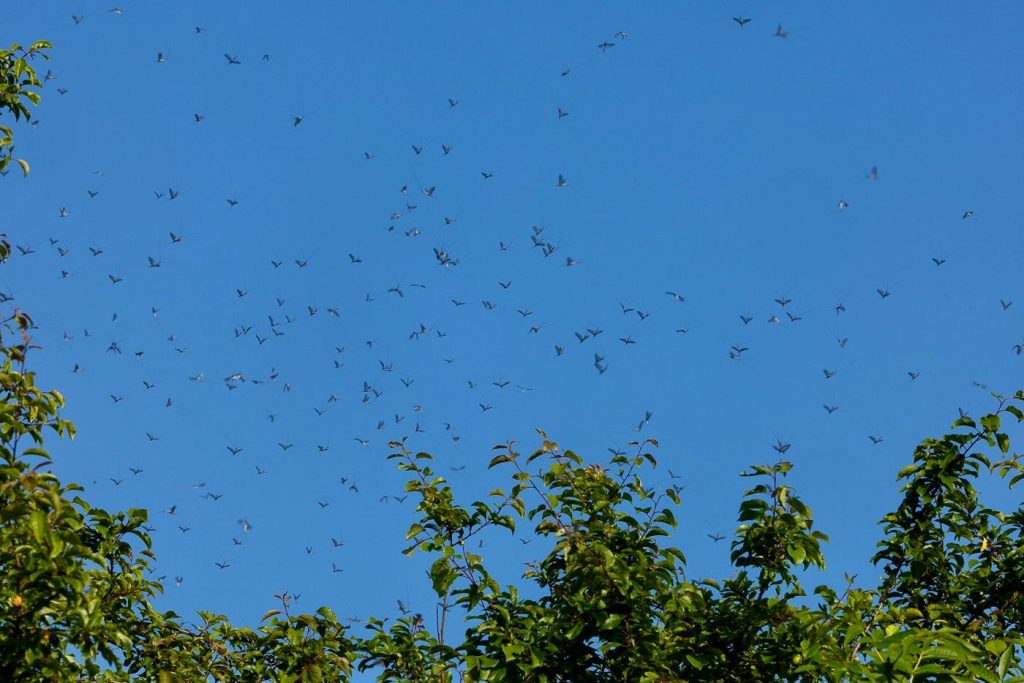
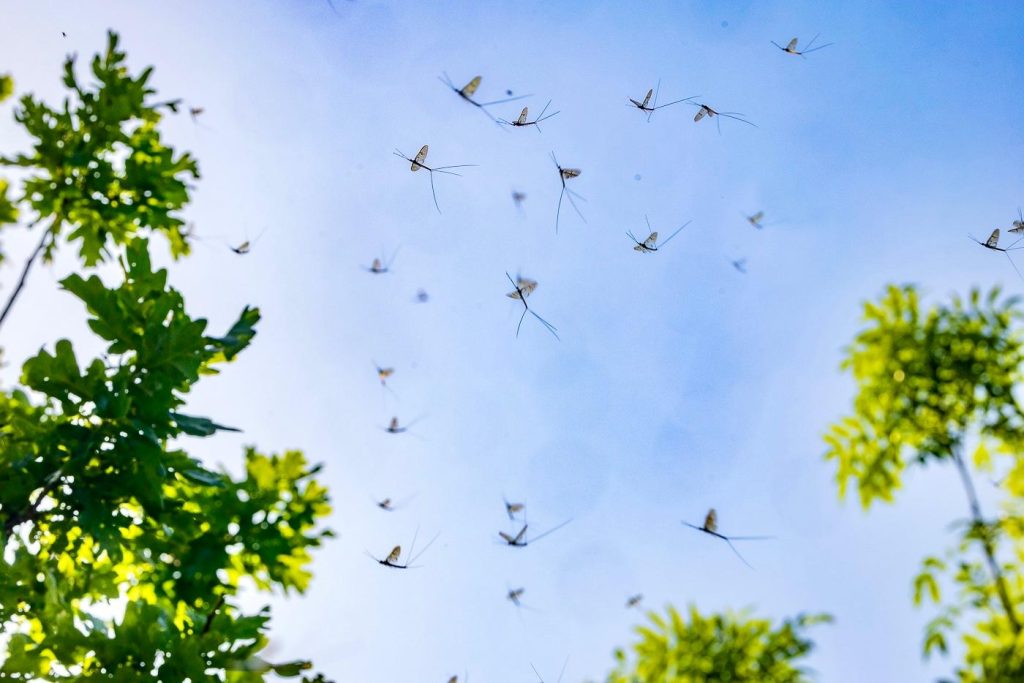
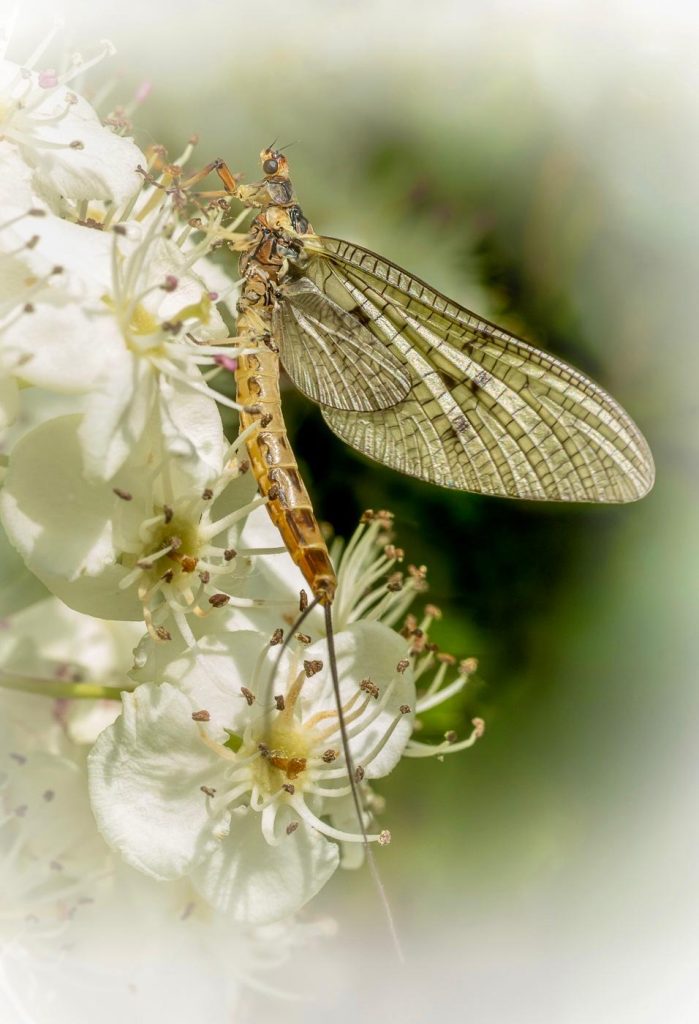
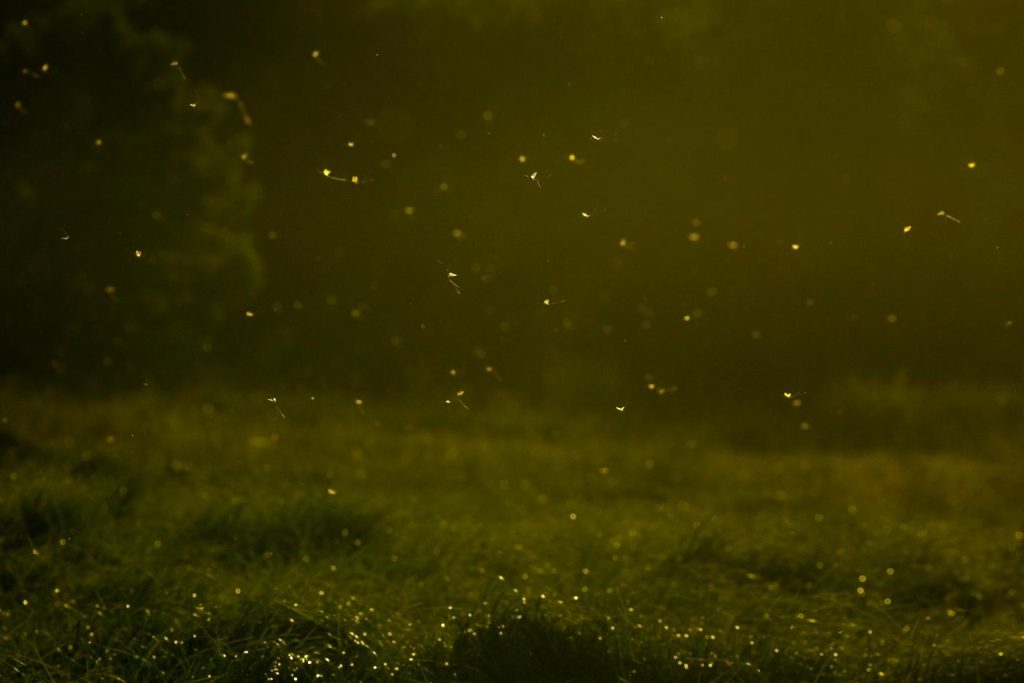
For most of their lives, mayflies remain hidden from view. As nymphs, they spend up to two years beneath the river’s surface, sheltering among gravel beds and aquatic vegetation. During this time, they play an important role in the river ecosystem, feeding on organic matter and providing food for fish. Then, almost as if responding to an unseen signal, they begin their ascent. As water temperatures rise and daylight lengthens, thousands of nymphs emerge from the riverbed and drift towards the surface. There they shed their underwater skins and take flight as delicate winged insects. For a few precious days, our chalk streams become alive with dancing clouds of mayflies.
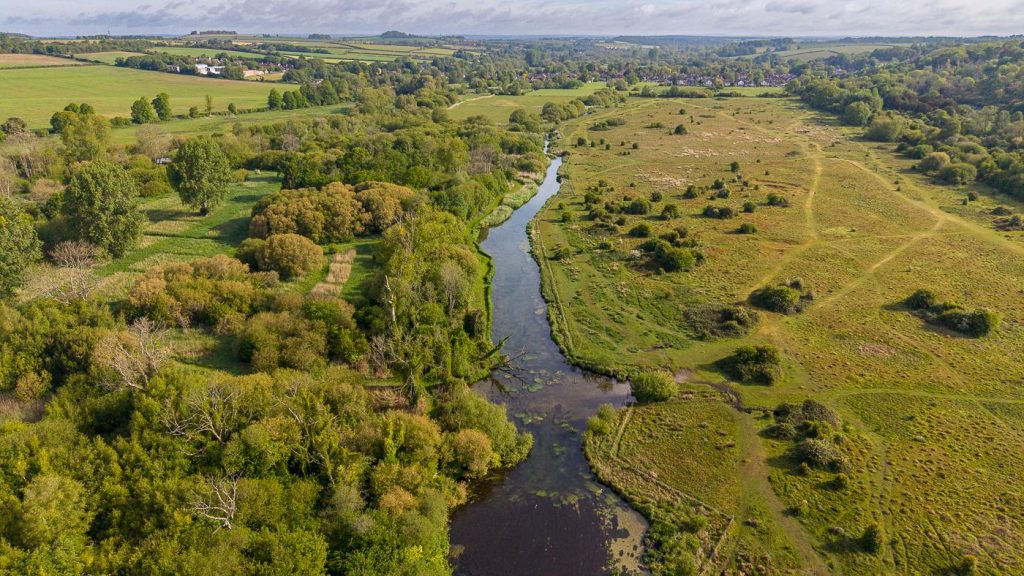
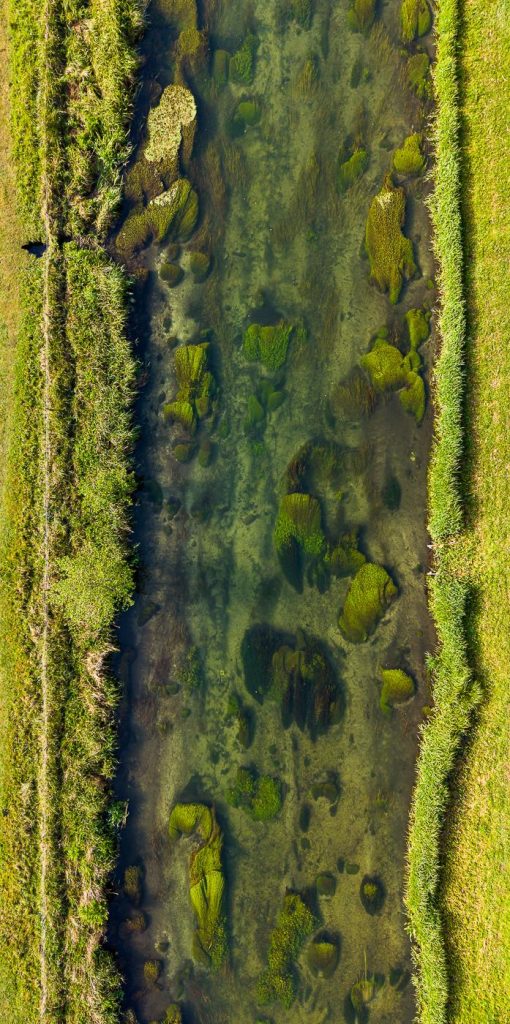
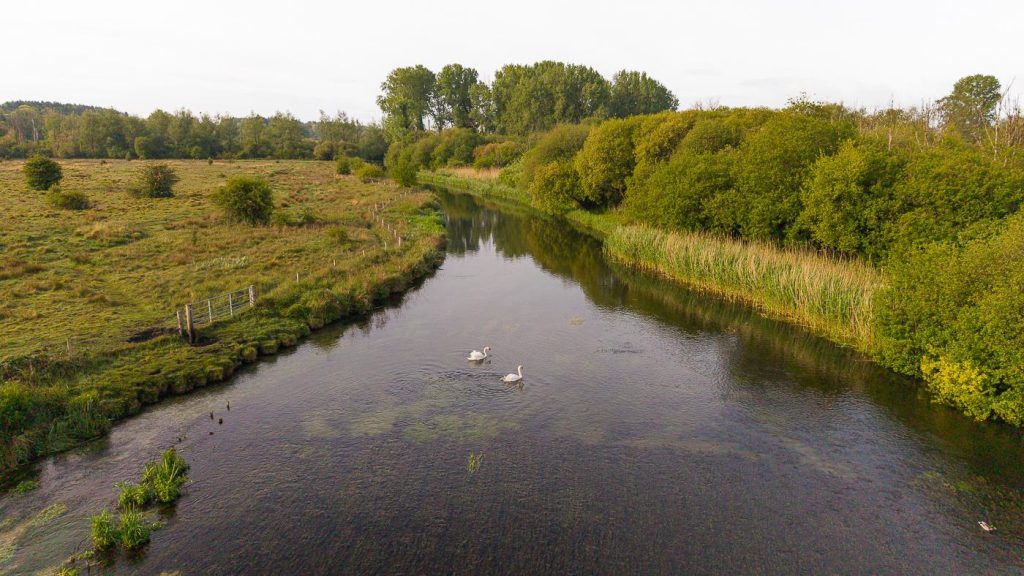
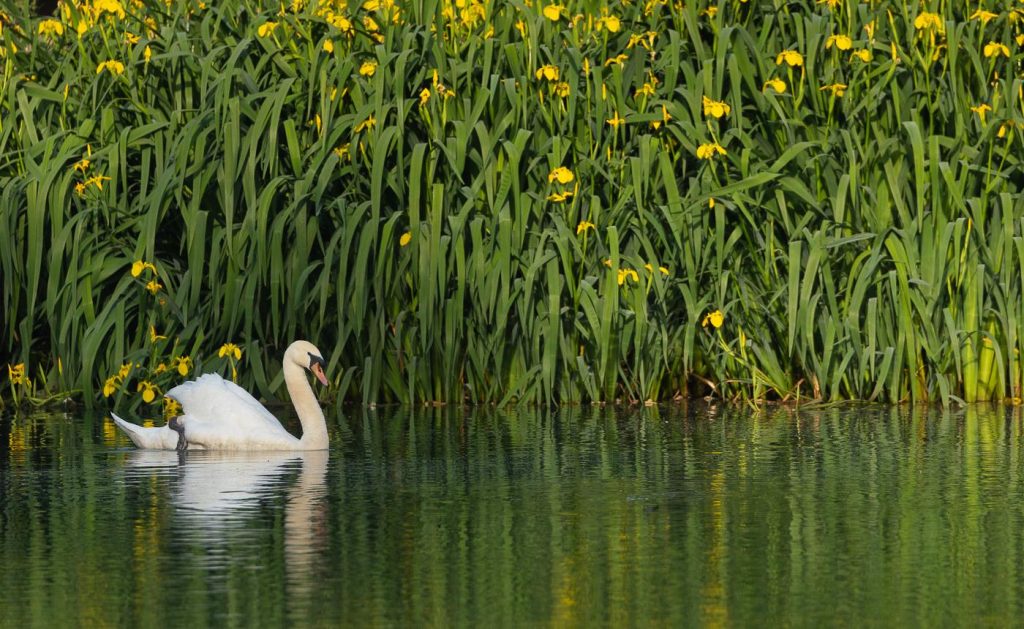
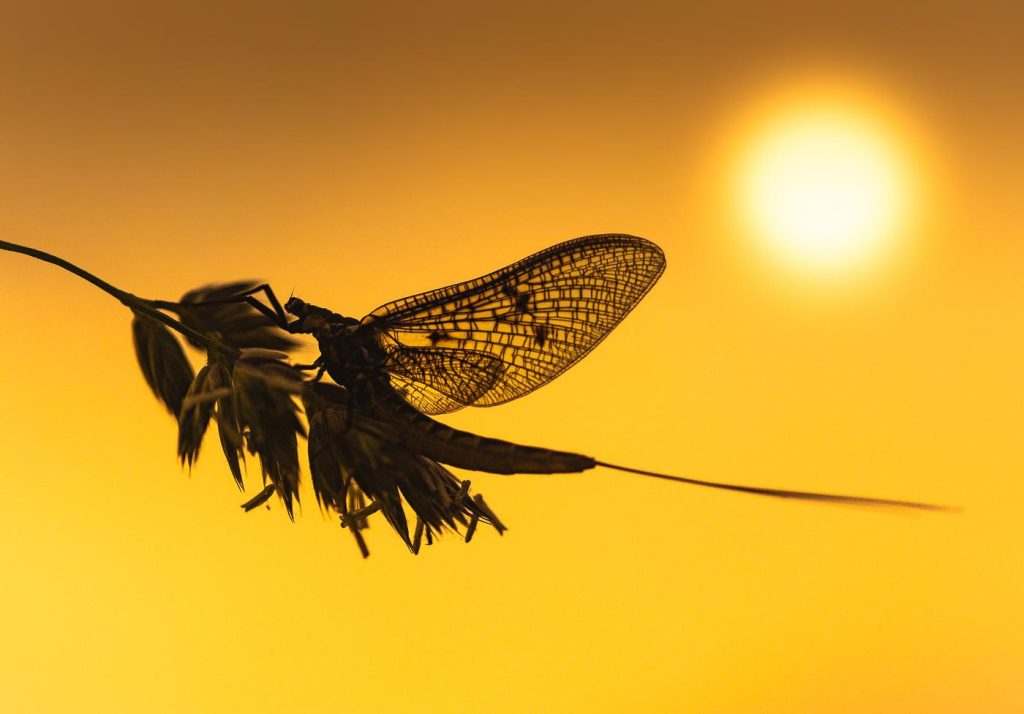
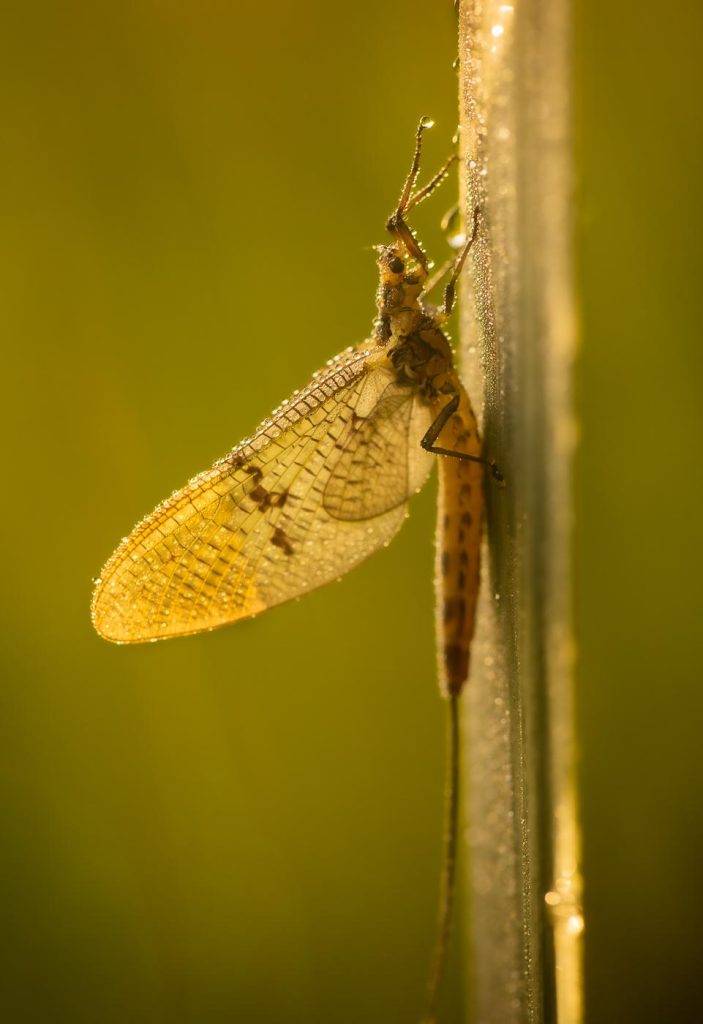
The first signs that the hatch has started are subtle. A few pale insects flutter above the water, their upright wings catching the sunlight. Soon, however, the hatch gathers momentum. The air fills with mayflies rising from the stream, while others drift helplessly on the current.
Their appearance triggers an immediate response from the river’s fish.Brown trout, which can spend much of the year feeding cautiously beneath the surface, suddenly abandon all restraint. They rise repeatedly to intercept the abundant insects, creating rings and splashes across the water. For anglers, this is often considered the pinnacle of the fly-fishing season.
The River Test, widely regarded as the birthplace of modern fly fishing, offers some of the finest mayfly fishing in the world. During the hatch, trout can become so focused on these large insects that they ignore almost everything else.
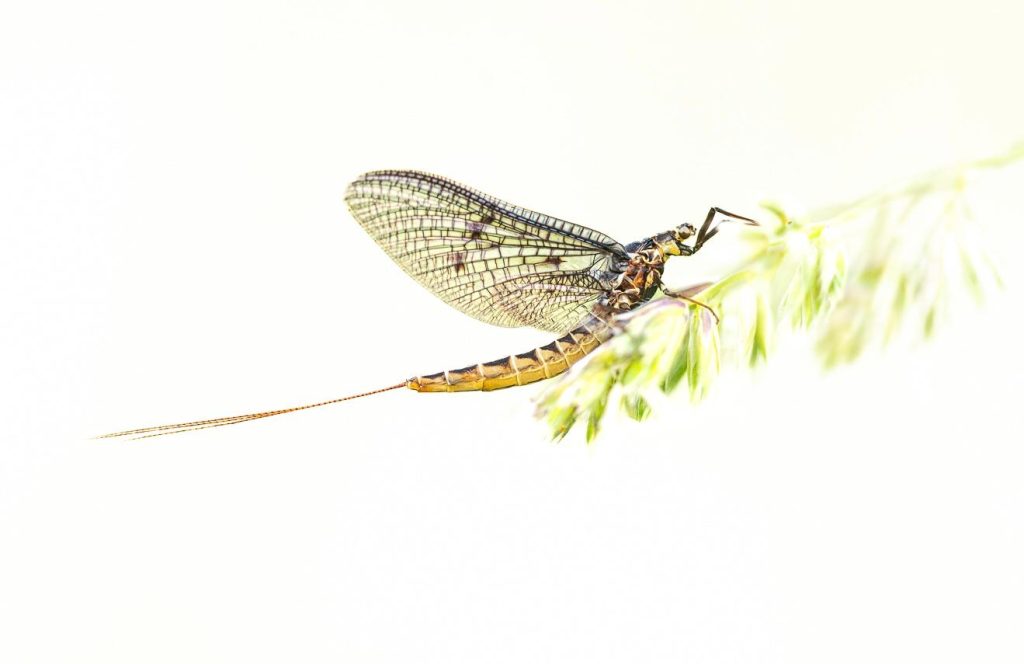
Despite their abundance, adult mayflies have remarkably short lives. Many survive for only a day or two after emerging. Their sole purpose is reproduction.
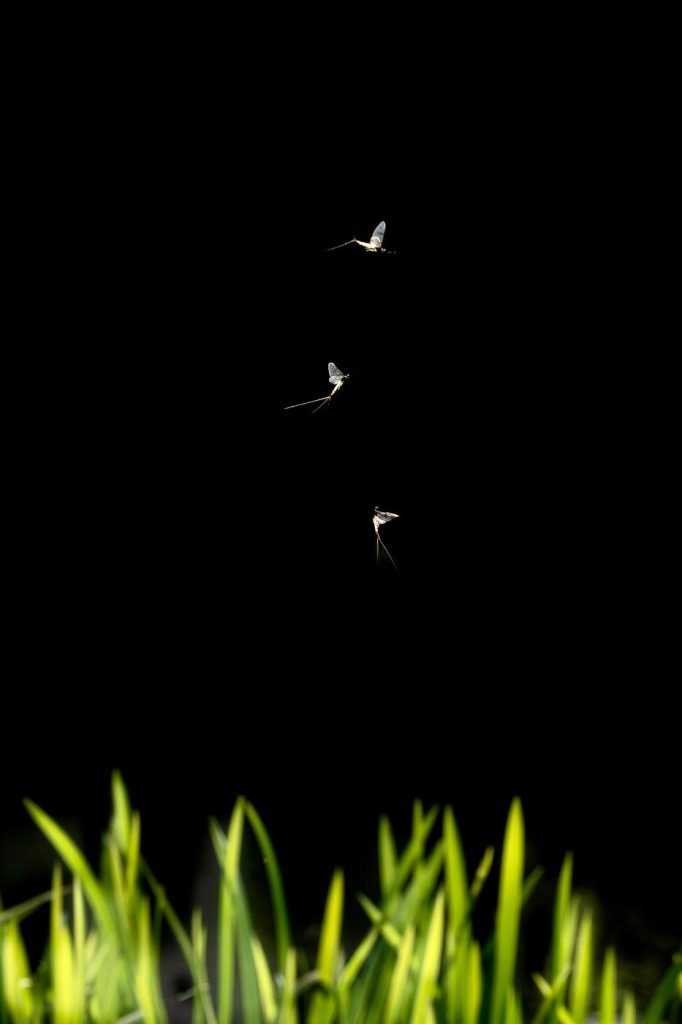
Males gather in swarms above the river, performing an intricate aerial dance. Females fly into these swarms to mate before returning to the water to lay their eggs. Once this final act is complete, they fall back onto the surface, spent and exhausted.
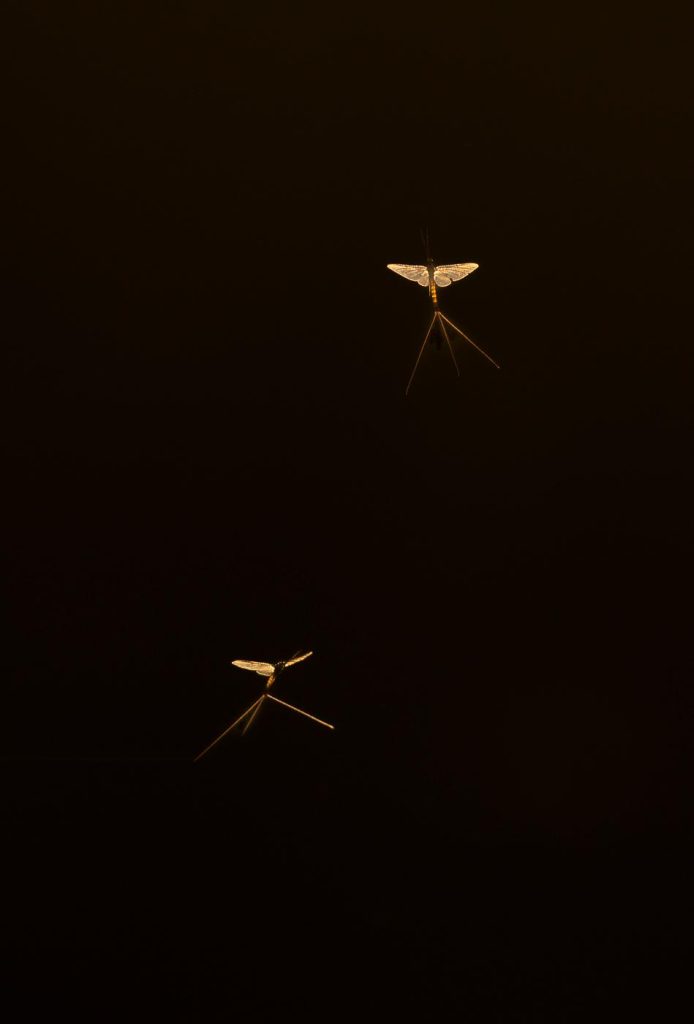
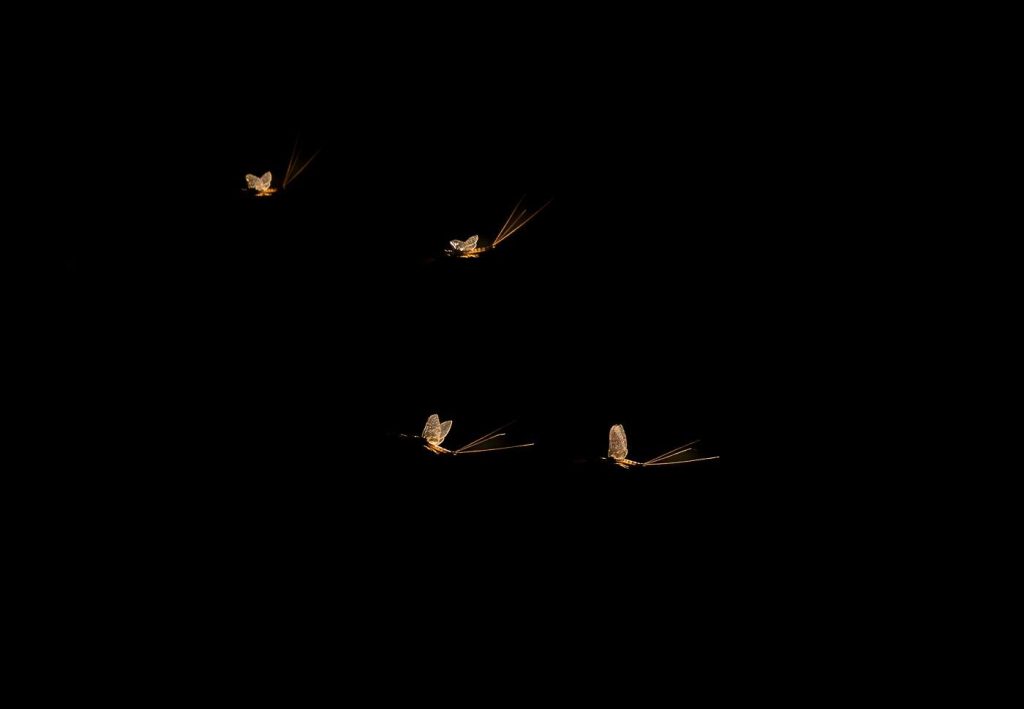
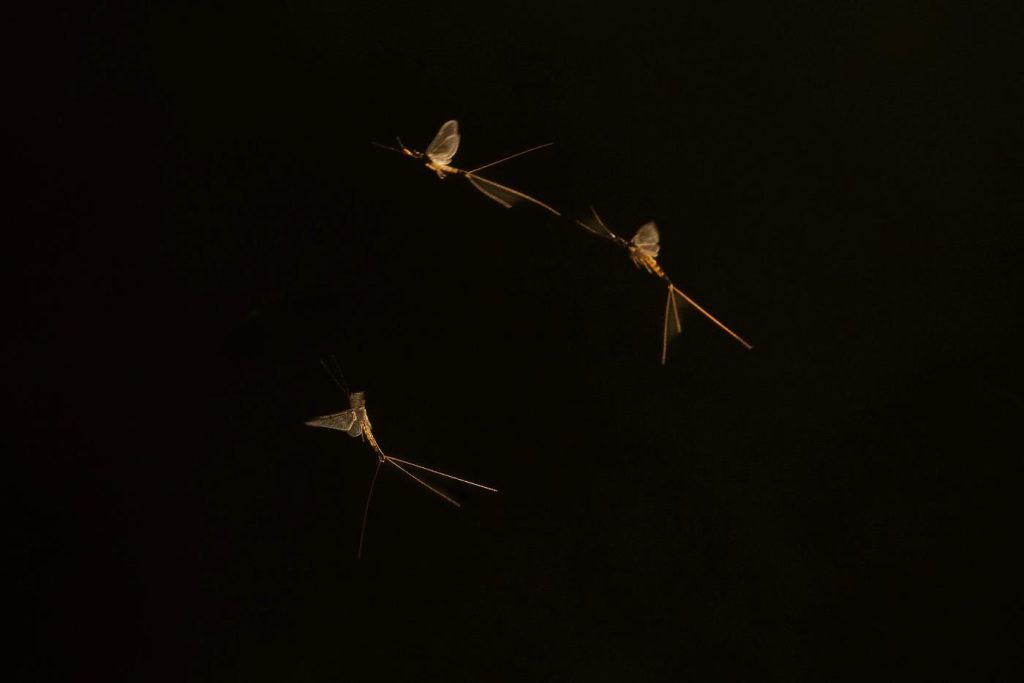
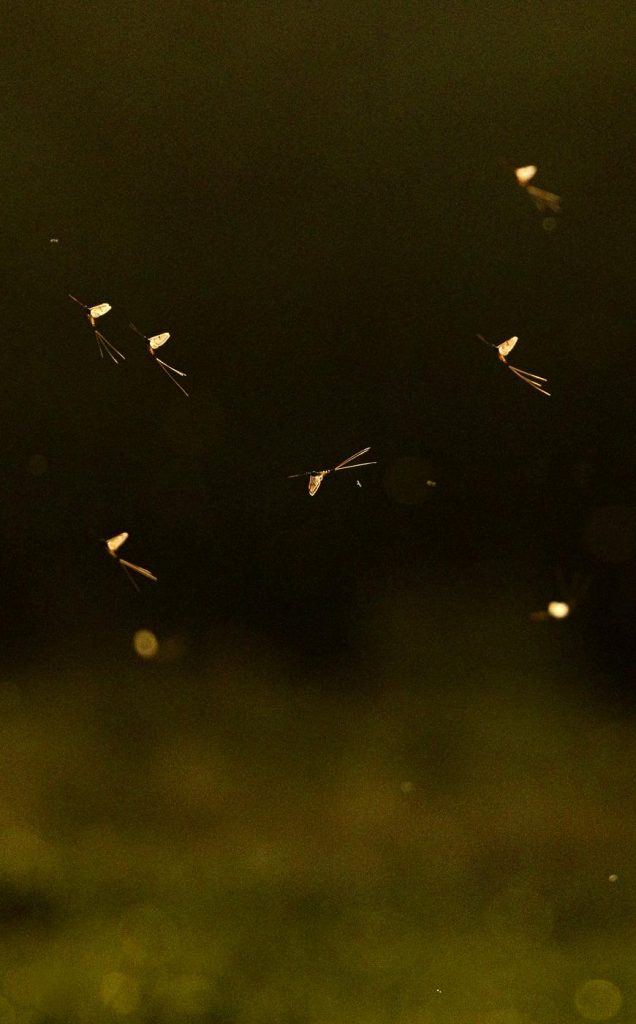
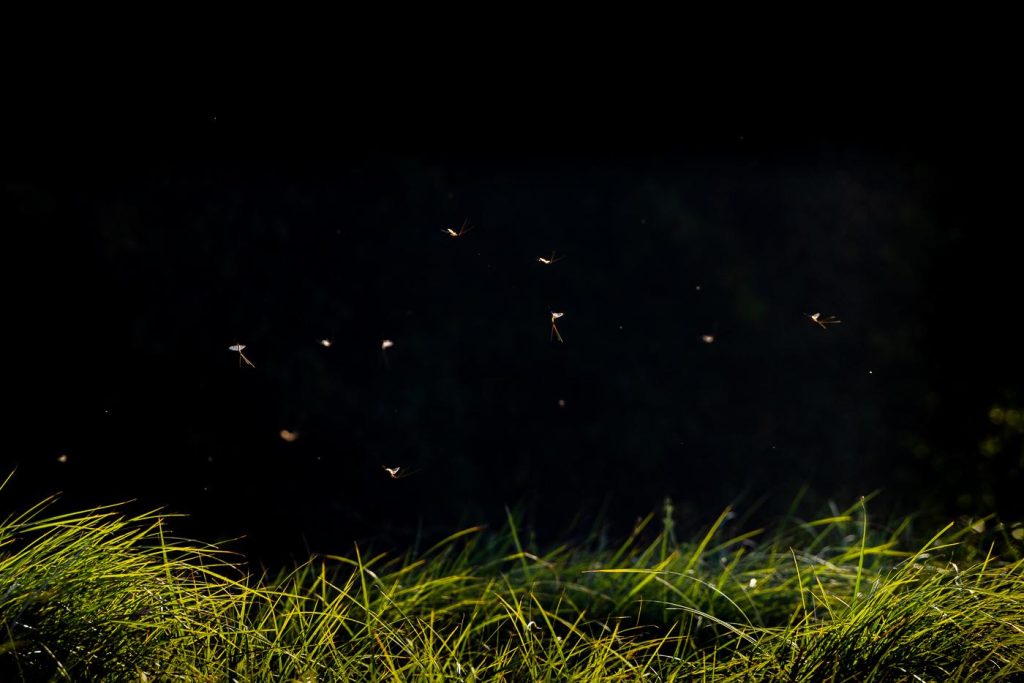
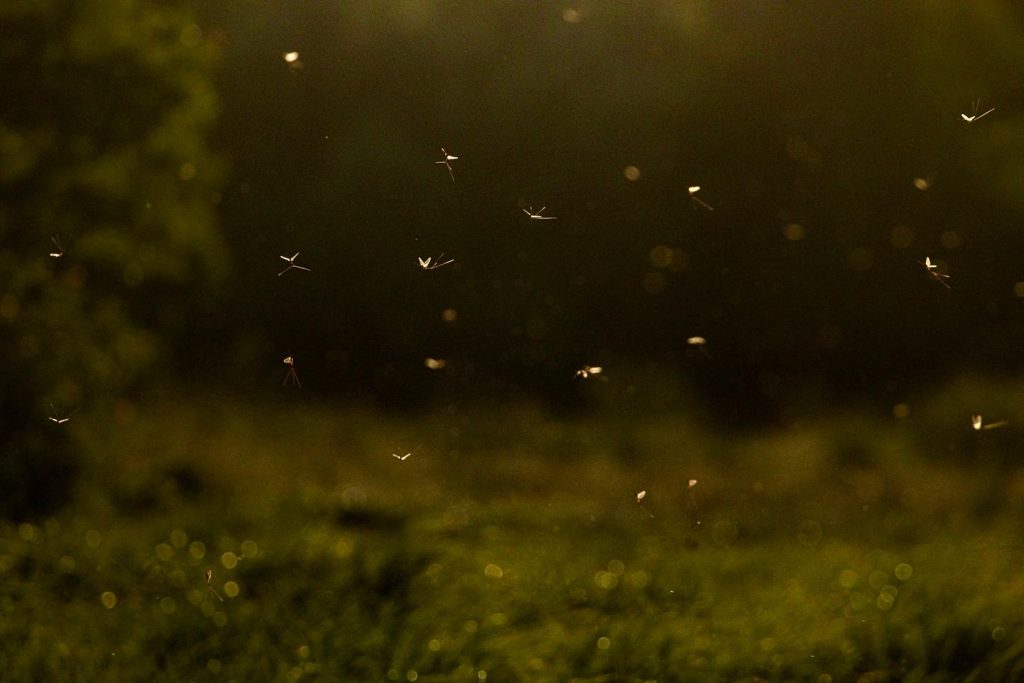
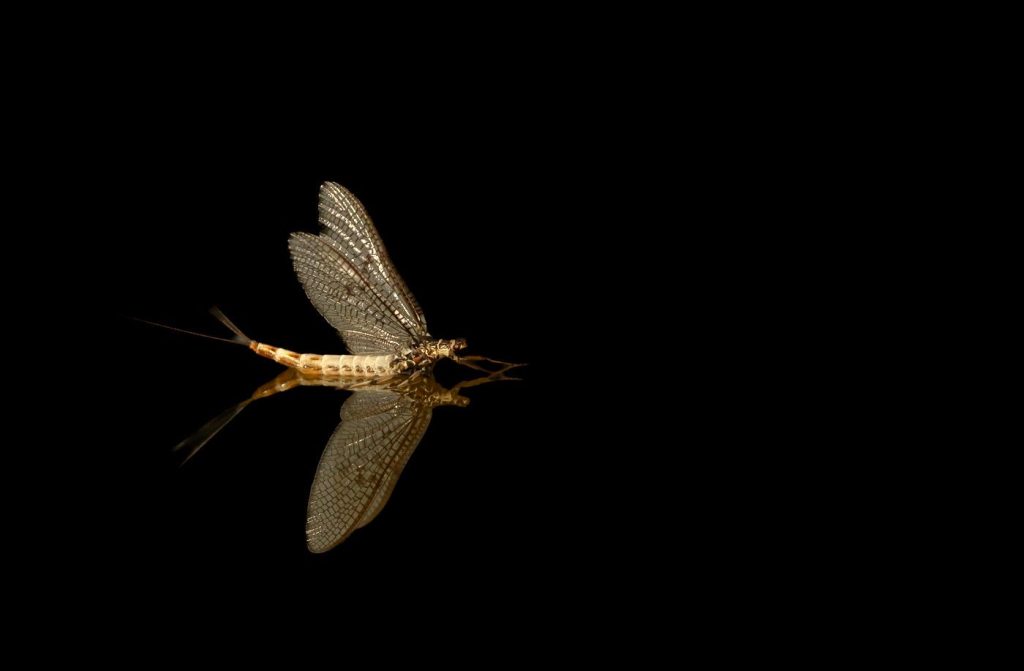
Their life cycle ends where it began.
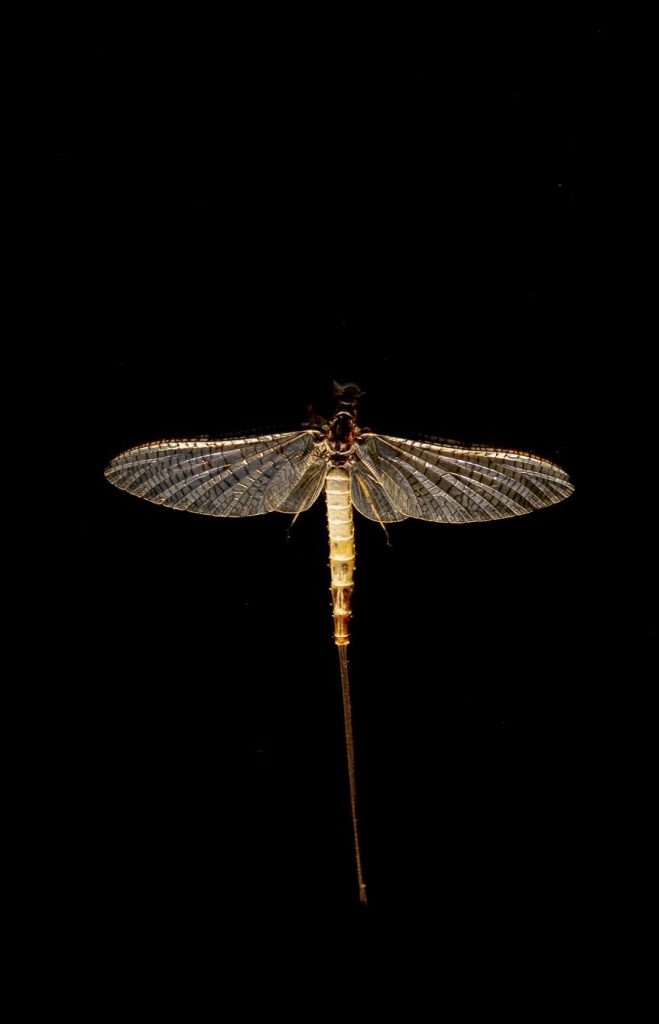
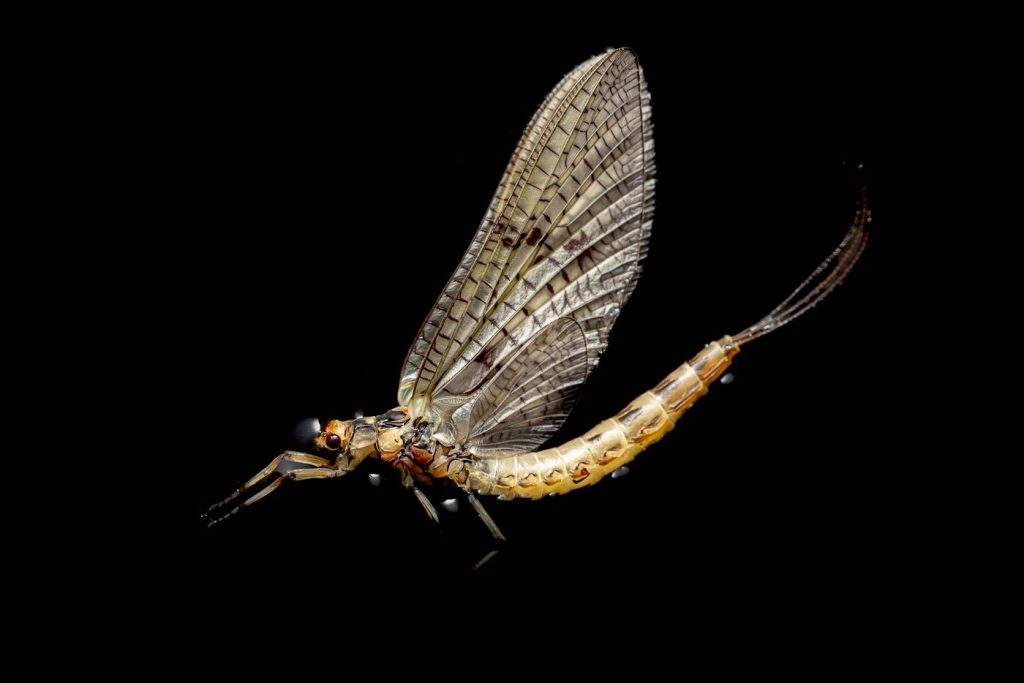
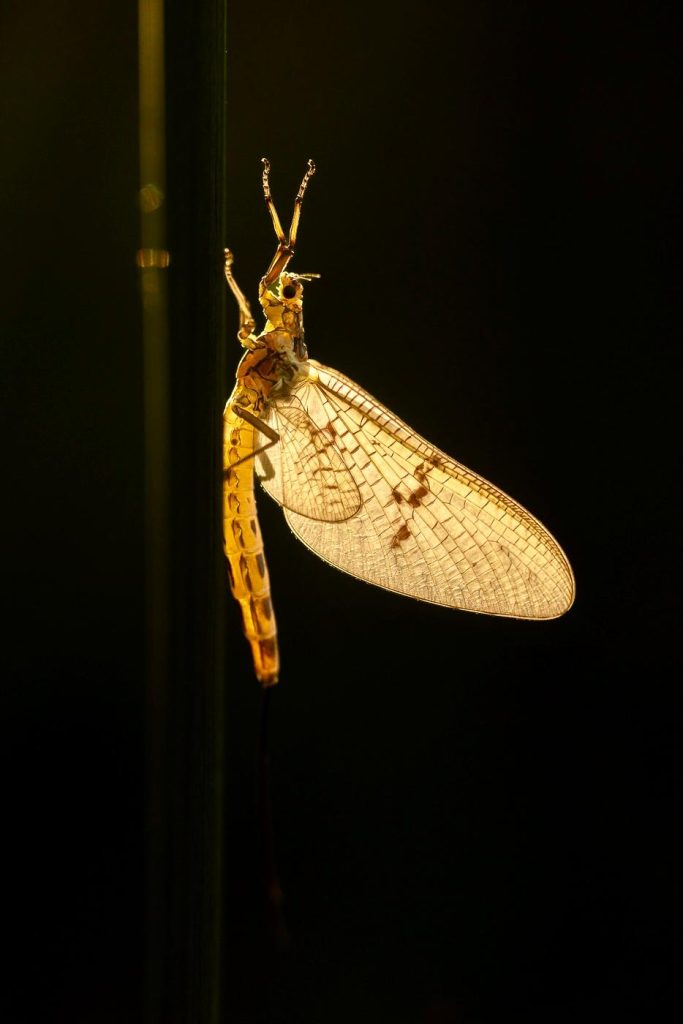
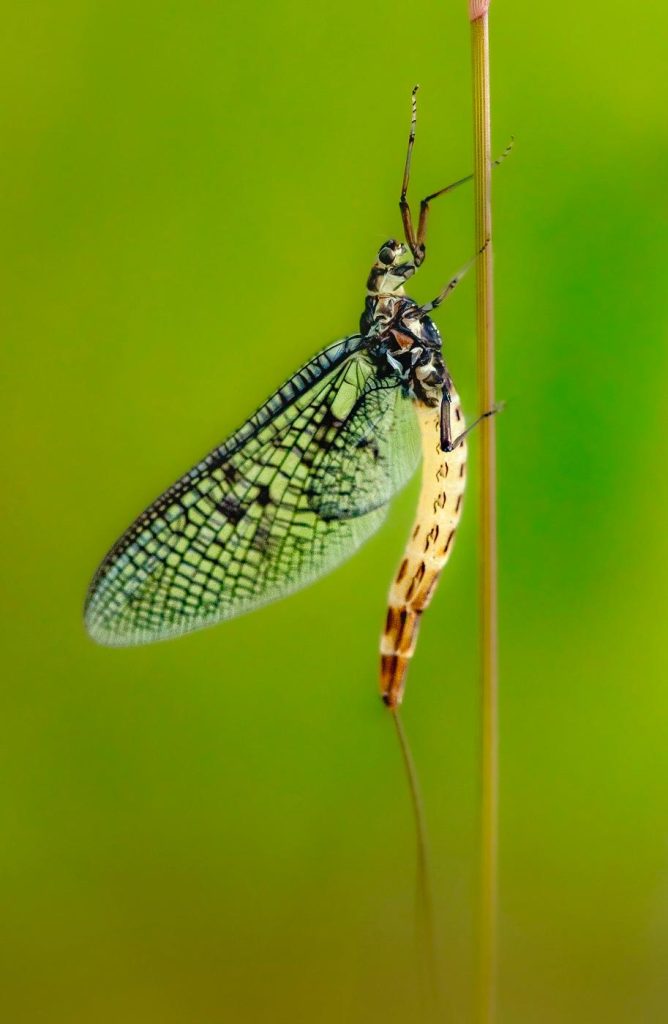
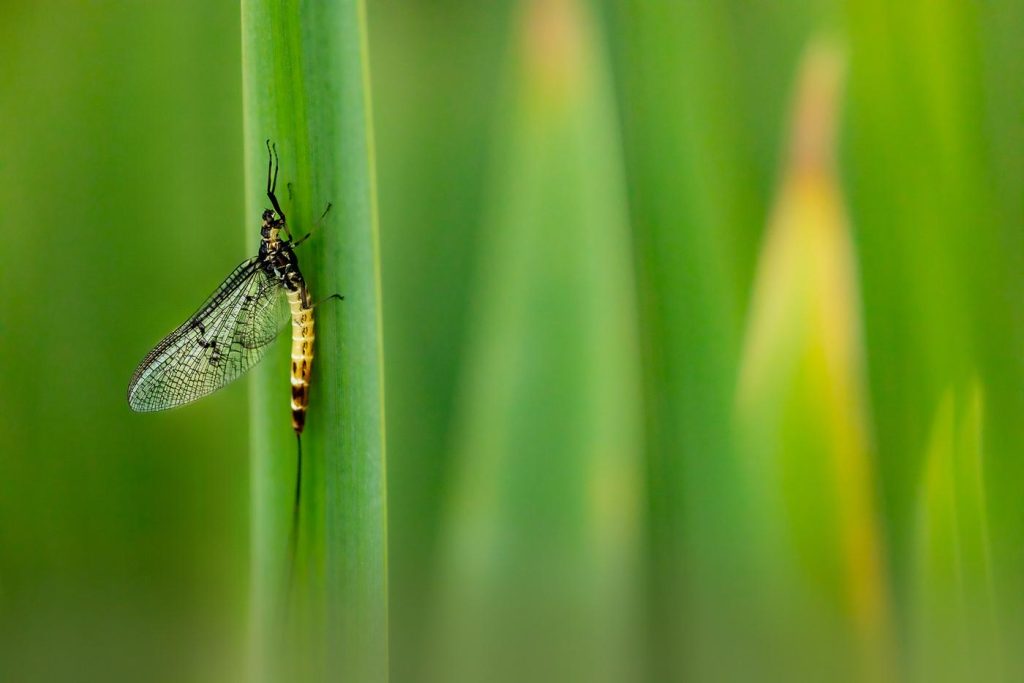
For the trout below, these spent mayflies provide one final feast. For observers on the bank, they serve as a reminder of the extraordinary efficiency and beauty of nature’s design.
While the mayfly hatch is celebrated by fishermen, its significance extends far beyond sport. Healthy mayfly populations are a strong indicator of clean, well-oxygenated water. Their presence reflects the exceptional quality of the River Test and the careful stewardship that has preserved this unique chalk stream environment.
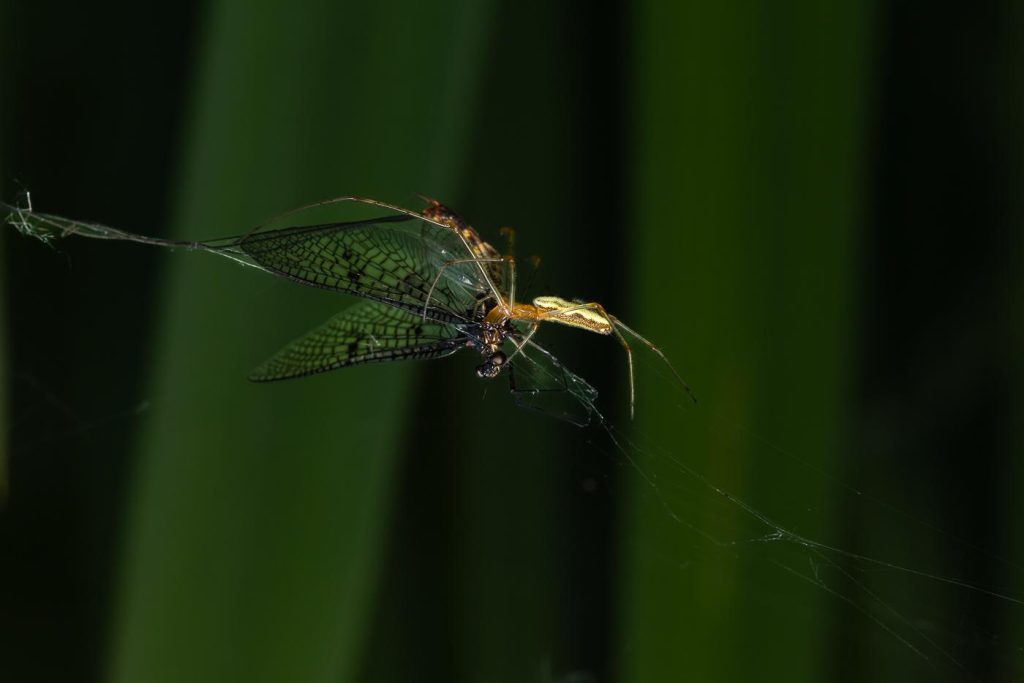
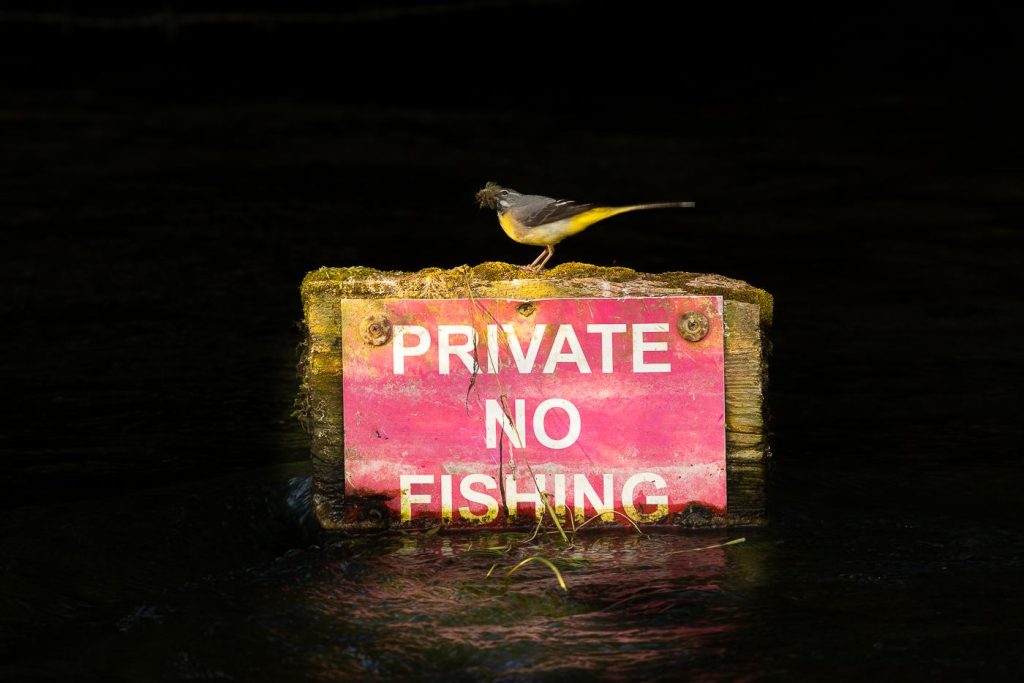
Kingfishers, swallows, wagtails, hobbies, bats, demoiselles, spiders and countless other species benefit from the sudden abundance of insect life. For a few weeks, the entire ecosystem pulses with energy.
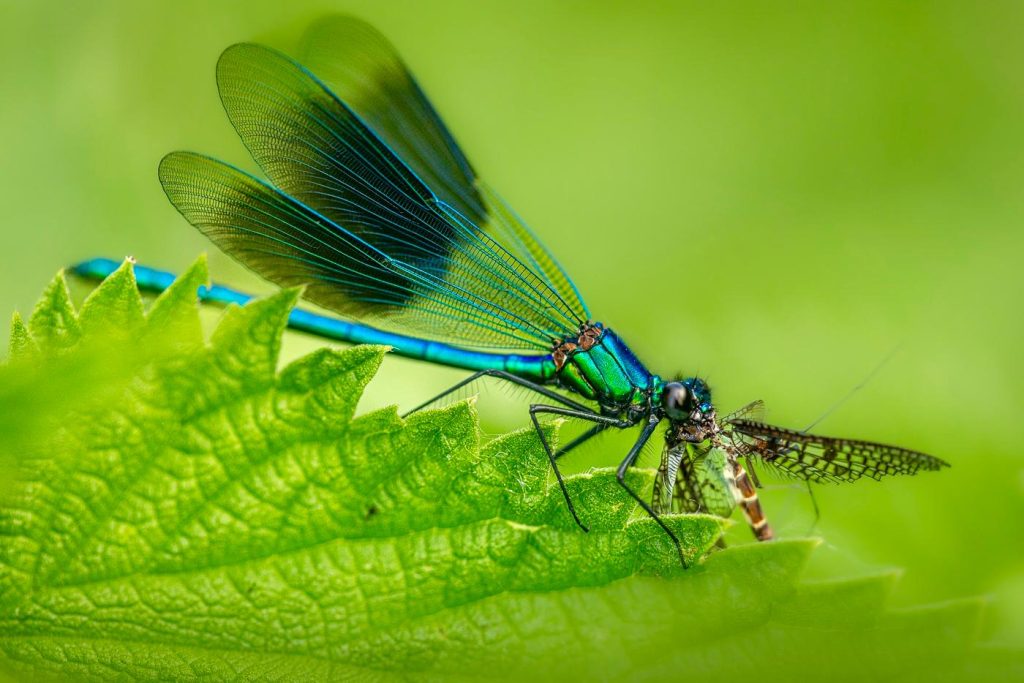
The mayfly emergence is fleeting. Miss it, and you may have to wait another year. Yet perhaps that is what makes it so special.
Standing beside the River Test on a warm June evening, watching trout rise beneath drifting clouds of mayflies, it is easy to understand why generations of anglers and nature lovers have regarded this annual event with such reverence.
It is a reminder that some of nature’s greatest wonders are not found in distant wildernesses, but in the recurring rhythms of an ancient river that has been flowing through the English countryside for centuries.