The Roar of the Red Deer: Capturing Autumn’s Ancient Drama
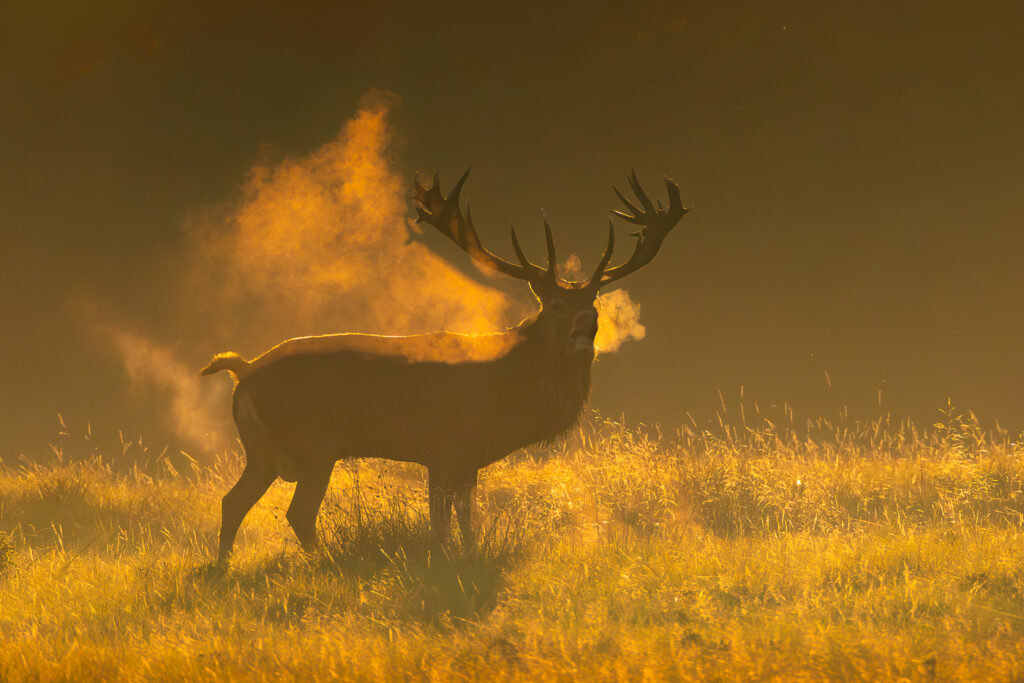
Among Britain’s great wildlife spectacles, few events capture the spirit of autumn more completely than the annual Red Deer rut. It is an ancient drama, played out across grassland and woodland as the days continue to shorten and temperatures start to drop.
I am fortunate to live less than a mile from Richmond Park National Nature Reserve. Its sweeping grassland, ancient oaks, bracken-covered slopes and scattered woodland provide one of the finest places in the British Isles to witness this remarkable chapter in the life of the Red Deer (Cervus elaphus), Britain’s largest native land mammal.
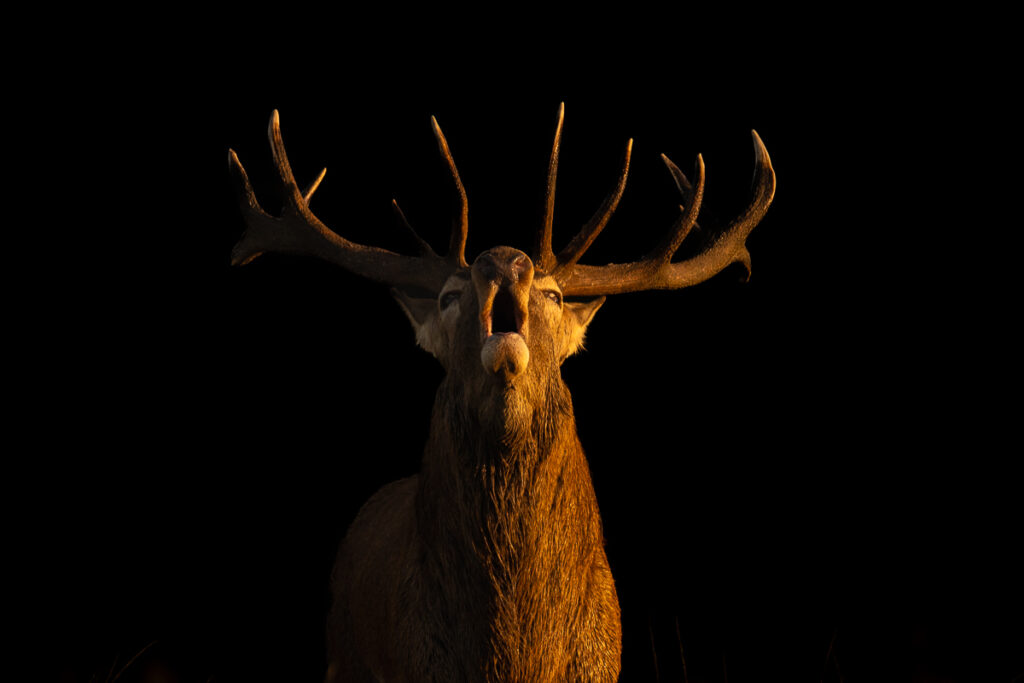
As the rut begins, mature stags move through the landscape with new purpose, gathering and defending territories while announcing their presence with deep, resonant roars. These calls carry far across the open plains, on still autumn mornings, drawing the attention of hinds while warning rival males that they already holds the high ground.
This year the rut was played out during a spell of early autumn mist. Such mornings lend the landscape a timeless, mythical quality with the most dominant stags, standing silhouetted, roaring into the mist. Moments like these feel increasingly precious, reminders of how closely wildlife remains tied to the rhythms of weather and season.
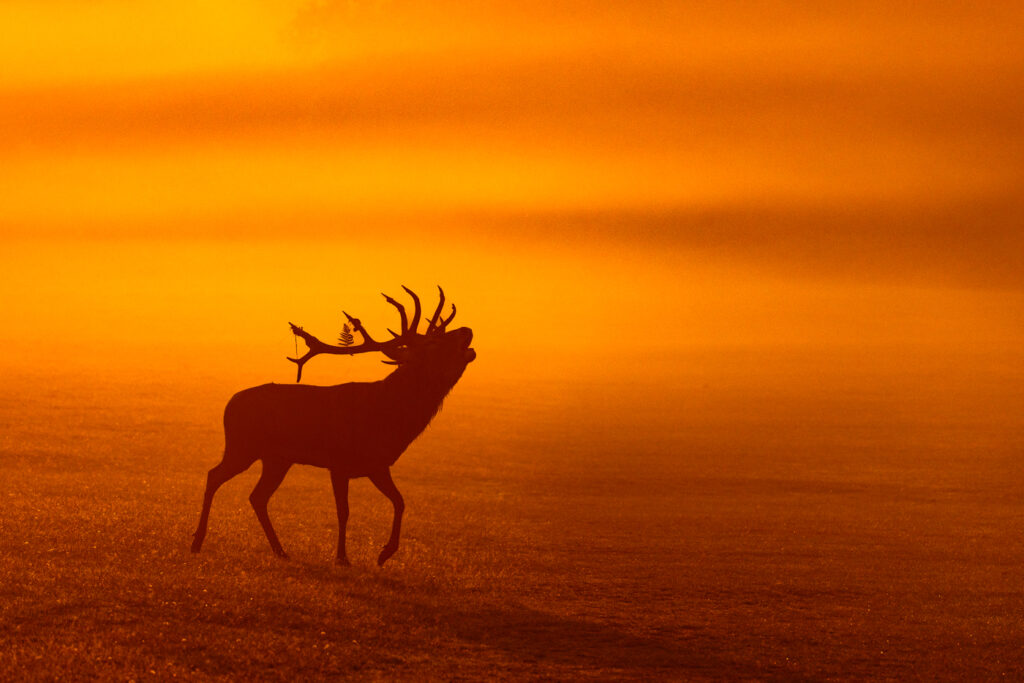
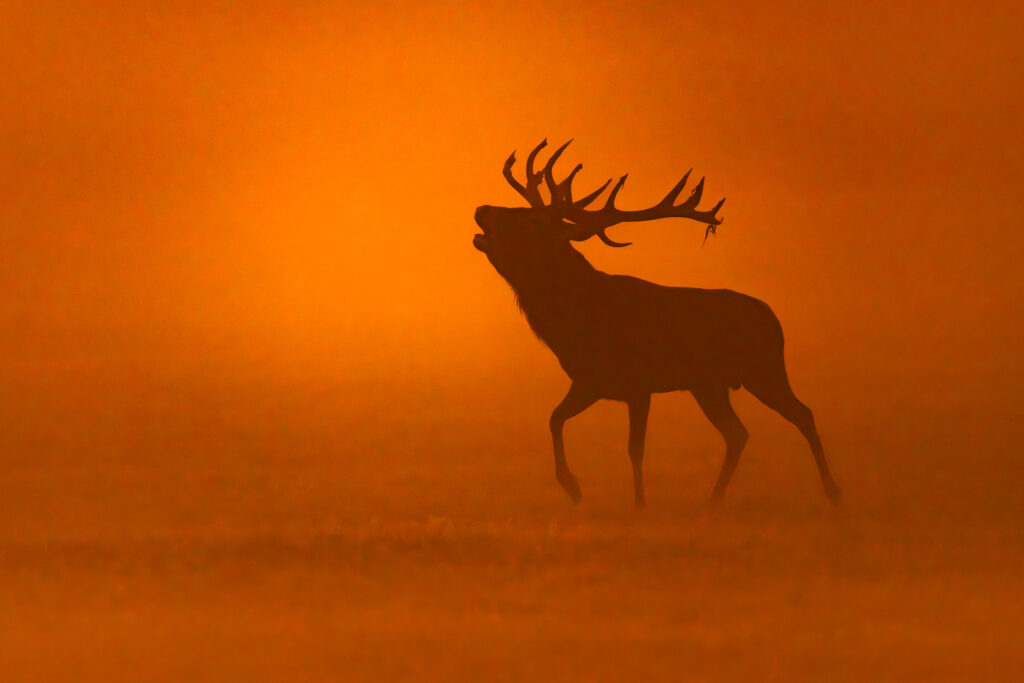
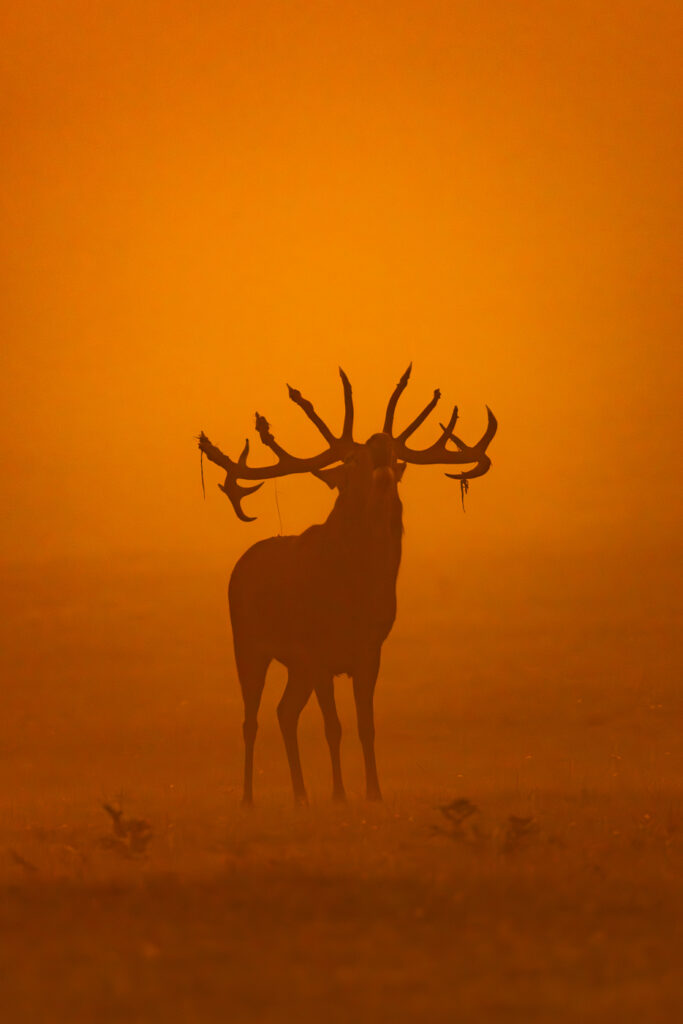
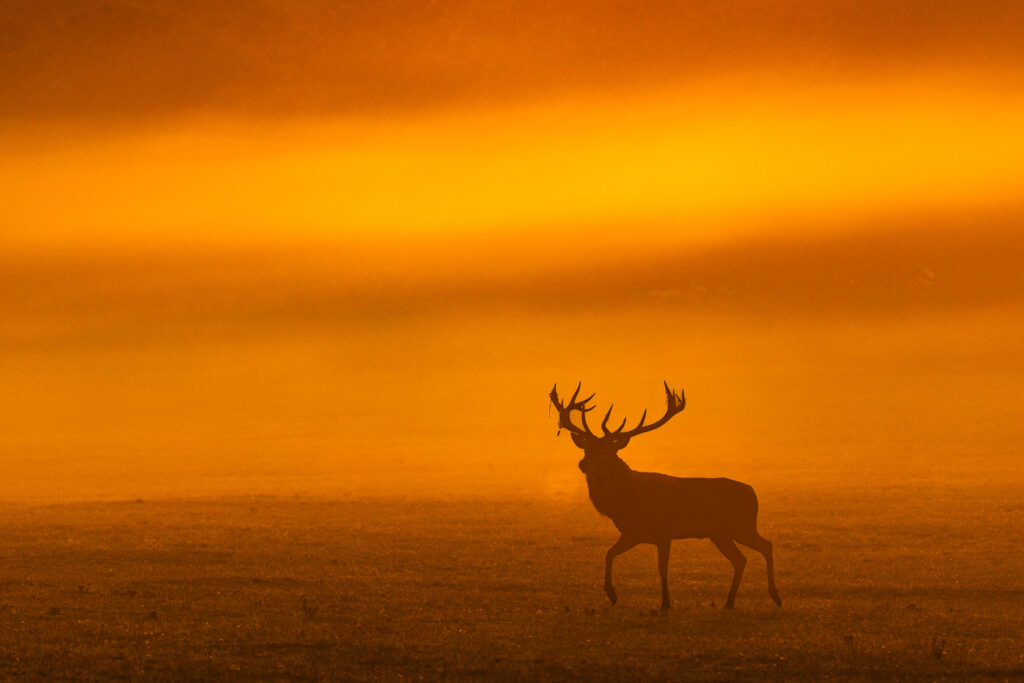
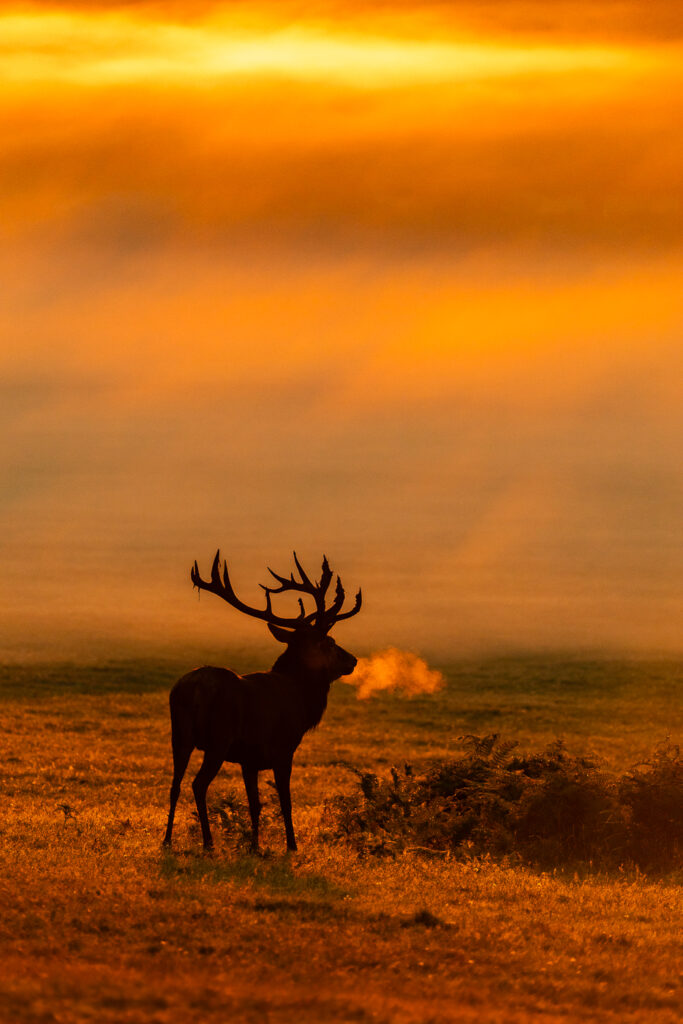
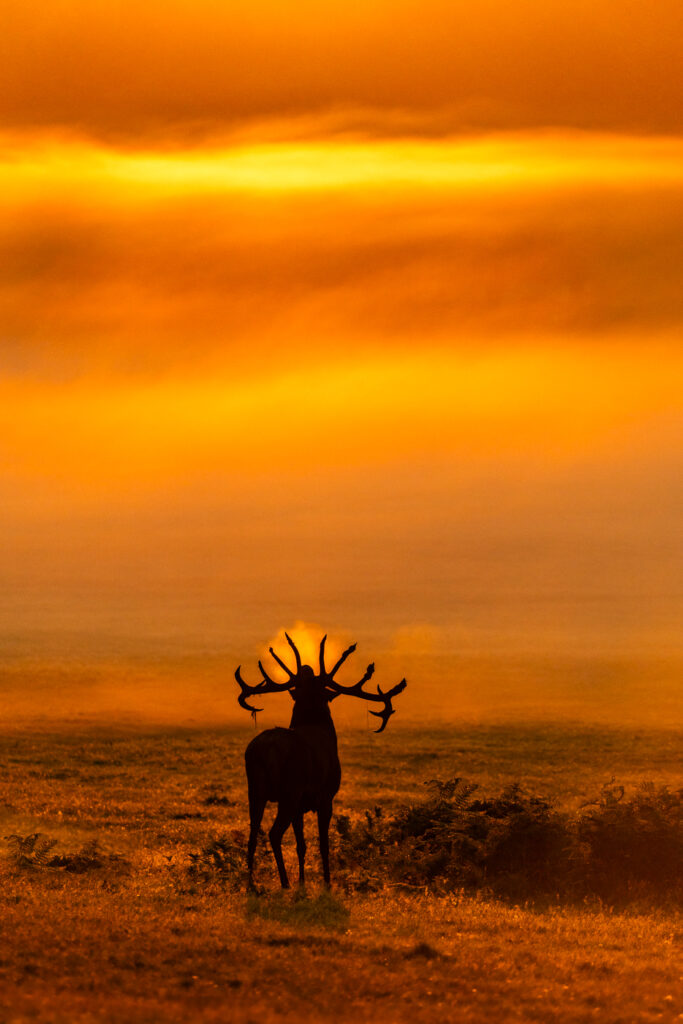
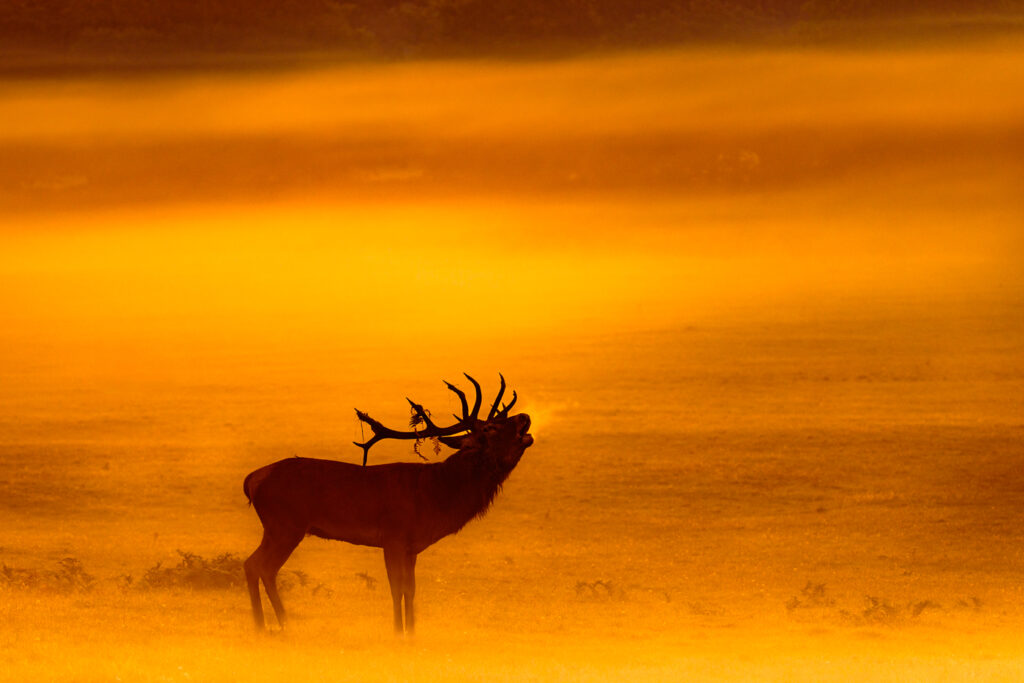

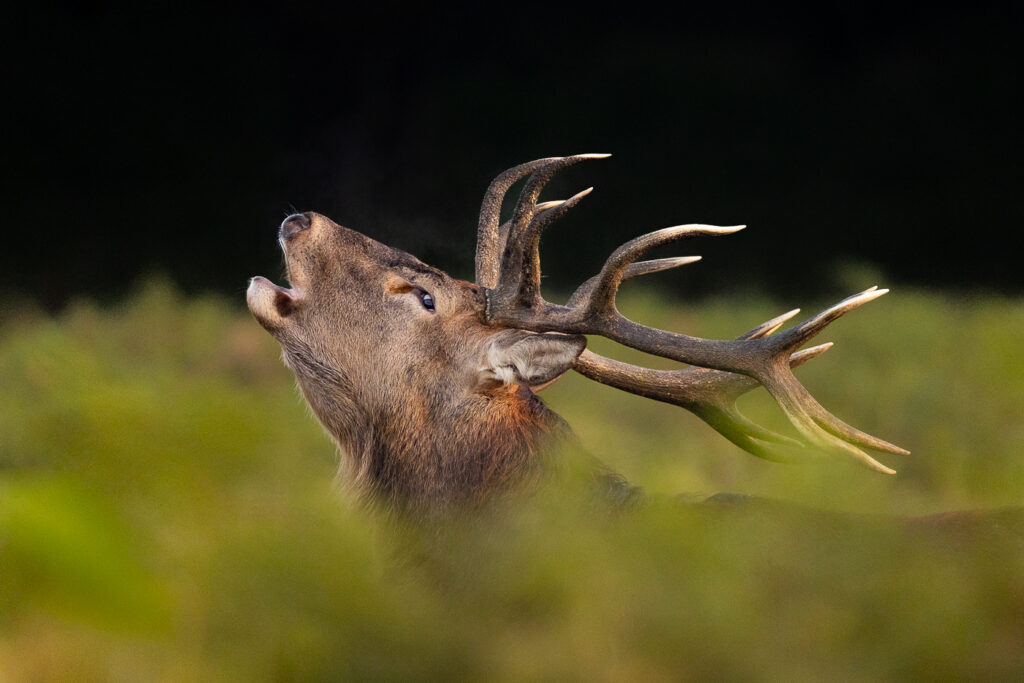
The roar of a Red deer stag is a biological advertisement, carrying information about size, stamina and dominance across the cold autumn air. Long before two rivals meet face to face, the contest has already begun through sound alone.
The tell-tale physical signs of the rut become evident everywhere. Stags rub their antlers and foreheads against trees and saplings, leaving scars on bark and branches. What may appear to be simple aggression is, in reality, a complex blend of display, communication and preparation. Scent glands around the forehead leave chemical traces that other deer can interpret, creating an invisible network of messages, woven through the landscape.
The effort also strengthens the powerful neck and shoulder muscles upon which success may soon depend. Every shove against a tree seems to anticipate the possibility of combat, when antlers may clash and strength must be tested directly.


Elsewhere, wallows appear. These muddy hollows become focal points of rutting activity as stags urinate and churn the earth with their hooves before rolling in the potent mixture. Their coats darken and become infused with a strong musky scent. To human senses the smell can be overwhelming; to other deer though it conveys vital information about age, condition and breeding status. The rut is communicated as much through scent as through sound.
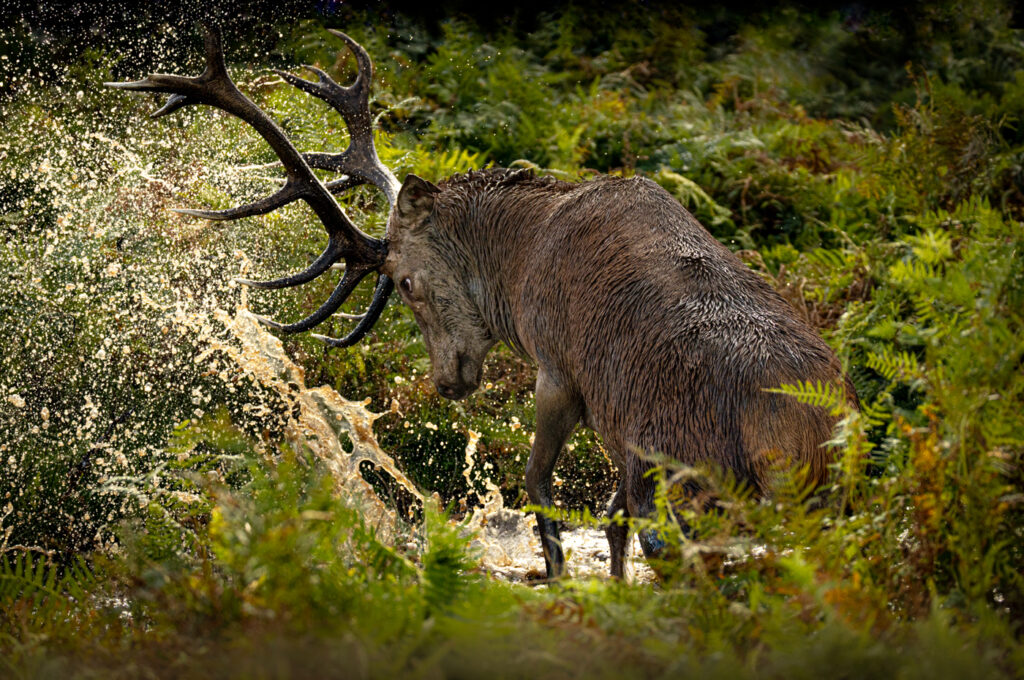
As the season progresses, so the most dominant stags gather groups of hinds, working tirelessly to try to keep them together, rounding them up should any start to stray. Rivals must be repelled, boundaries maintained and receptive females located. The pace of life becomes both relentless and exhausting – many stags lose substantial body weight during these brief few weeks of peak activity.
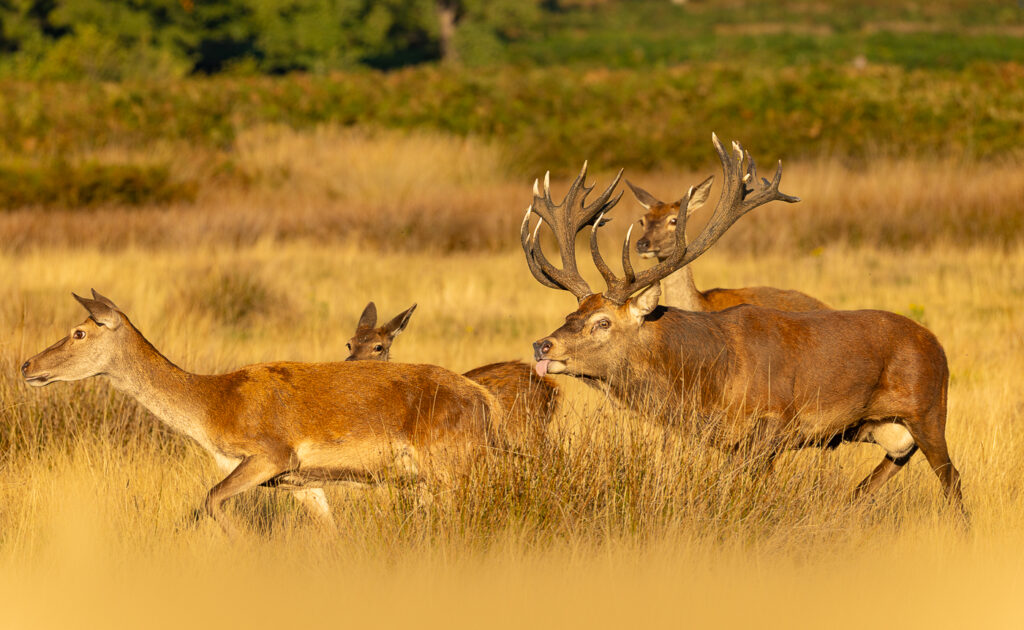
One of the most distinctive behaviours of the rut is the flehmen response. A stag will raise his head and curl back his upper lip, drawing scent-laden air towards a specialised sensory organ in the roof of the mouth, the vomeronasal organ, also known as Jacobson’s organ. Through this remarkable adaptation he can detect chemical signals that reveal whether a hind is ready to breed. It is an ancient behaviour, shared by many mammals, yet seen against a backdrop of the. emerging autumn colour it feels uniquely evocative of the season.

Visual displays are an equally important part of rutting behaviour. Stags often thrash through the dense vegetation before finally emerging, crowned with bracken and foliage adorning their antlers. The effect is striking, their size appears to increase, their outline becomes more imposing, and the display serves as a warning to would-be challengers enabling them to resolve territorial disputes before physical conflict becomes necessary.

For me, these days, one of the greatest pleasures of the rut is sharing it with my son. Autumn’s wildlife spectacles have a unique ability to connect generations, and spending time together observing and photographing these animals has become one of the highlights of our year. This next image is his.
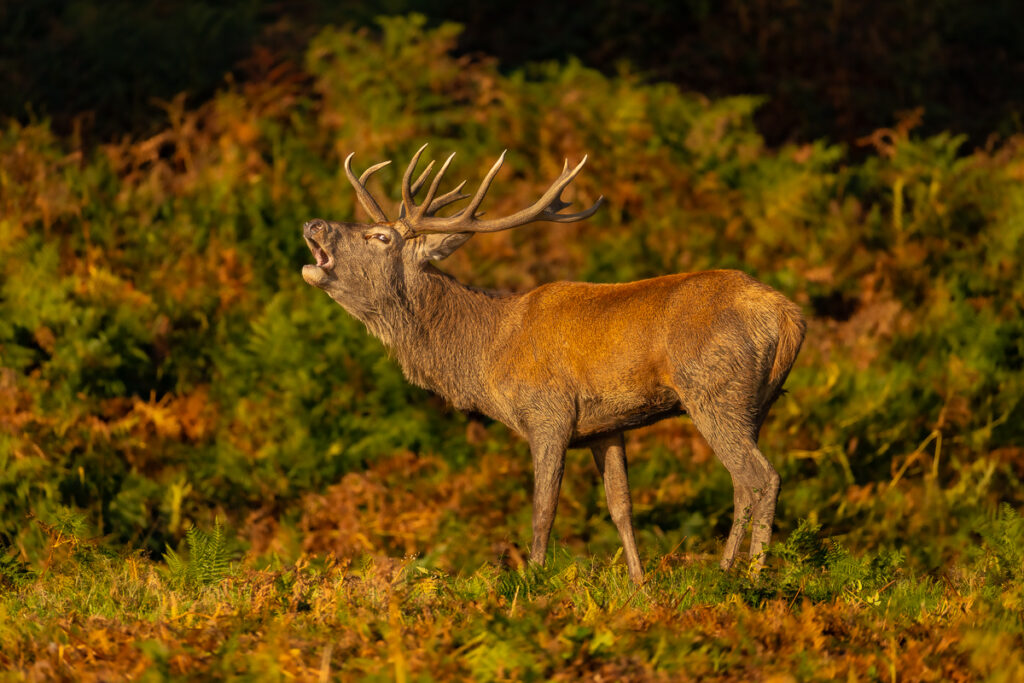
Red deer are principally woodland animals and the darker corners and shadows of the woodland offer mood and atmosphere. Against this evocative background, subtle details of a dominant stag are highlighted which tell their own story: their weathered expression, the texture of their coat, the scars of previous seasons, the intricate architecture of their many pointed antlers.
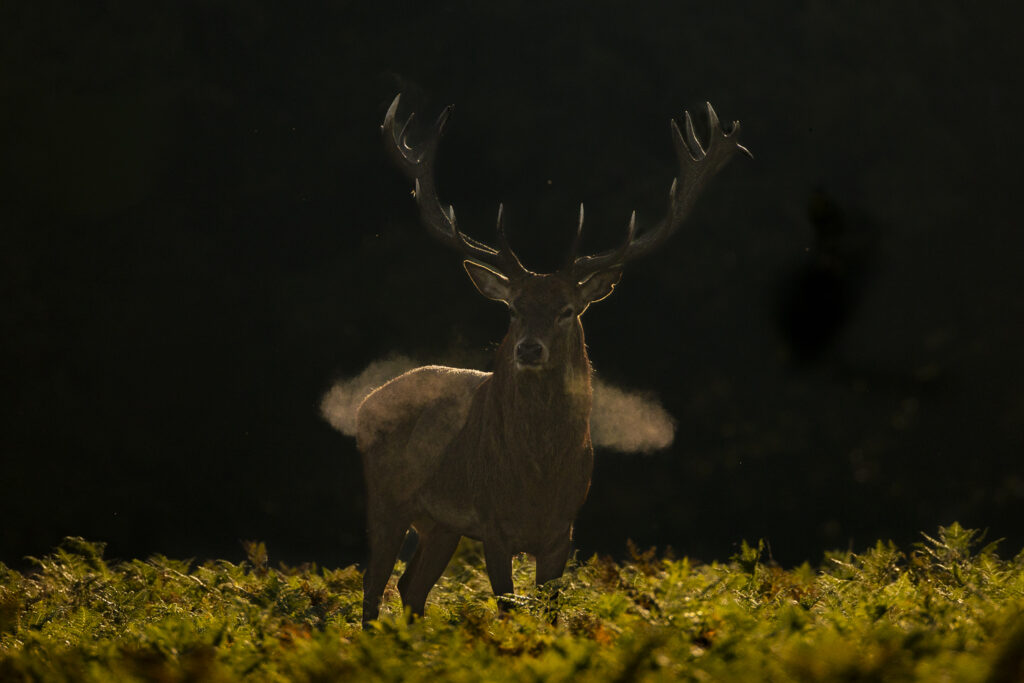
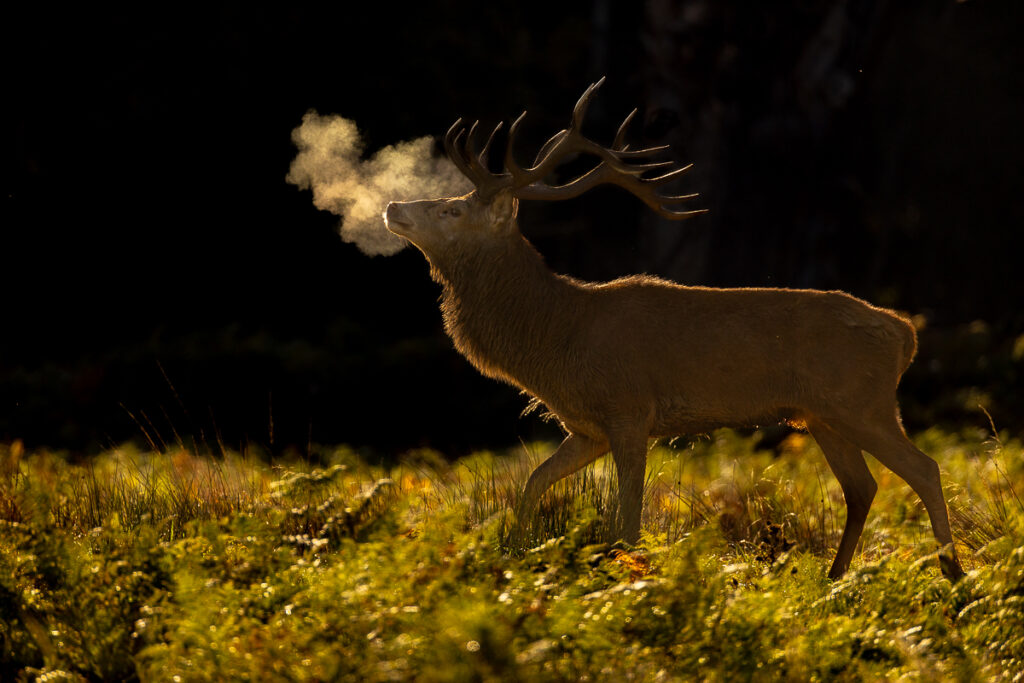
Perhaps the most memorable encounter of this year’s rut came on a quiet morning at the edge of a wooded glade. A dominant stag emerged into a shaft of low autumn sunlight, the raking light catching only one side of his body while the rest remained in shadow. For a few moments he was a living expression of the season itself: ancient, powerful and timeless, standing at the threshold between autumn, this season of mellow fruitfulness and the descent into winter.

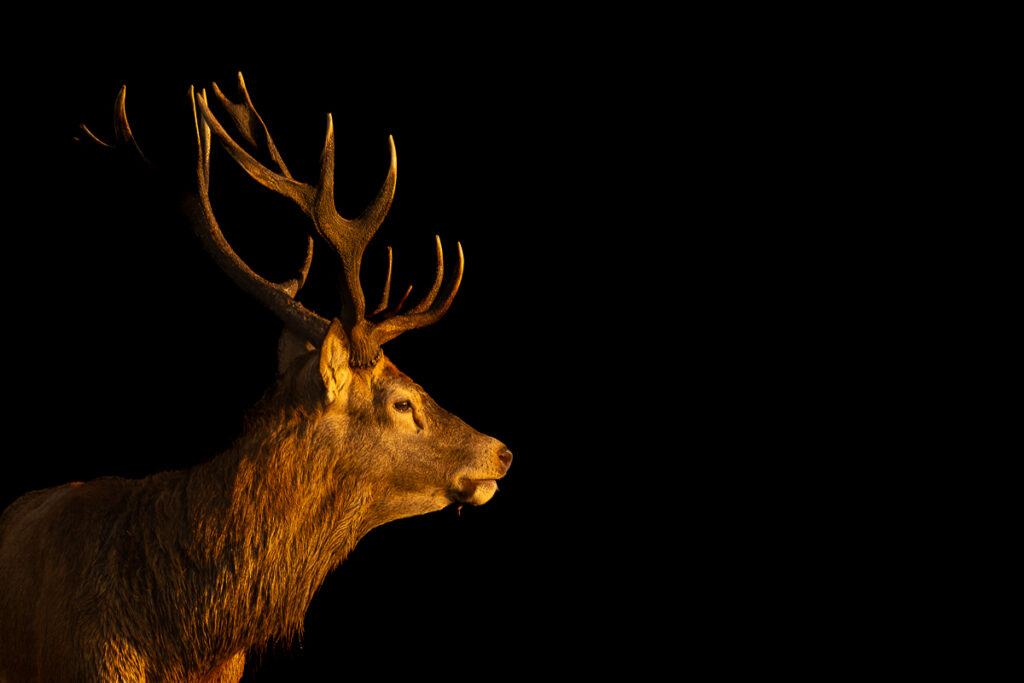
I’ve been photographing the Red Deer rut now for over 15 years. You can see the highlights in my gallery, part of my Wild Britain portfolio. I’ve still got a few more images I want to capture to complete the story continuing to focus on red deer behaviour. These will have to wait now as the rutting stands have fallen silent for another year. Be sure though, I’ll be back next year, answering the magnificent call of the Red Deer.